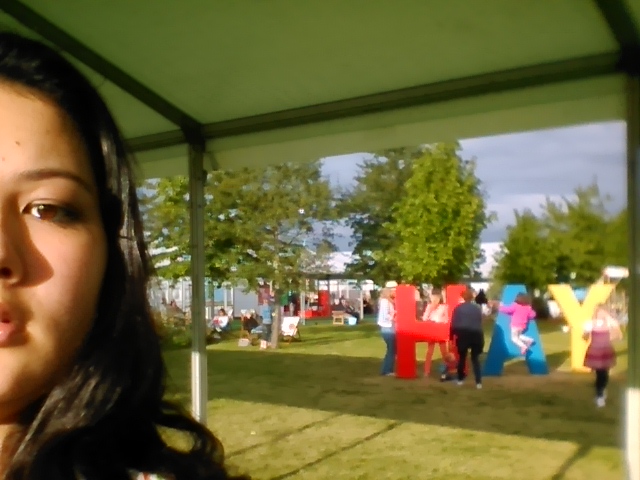
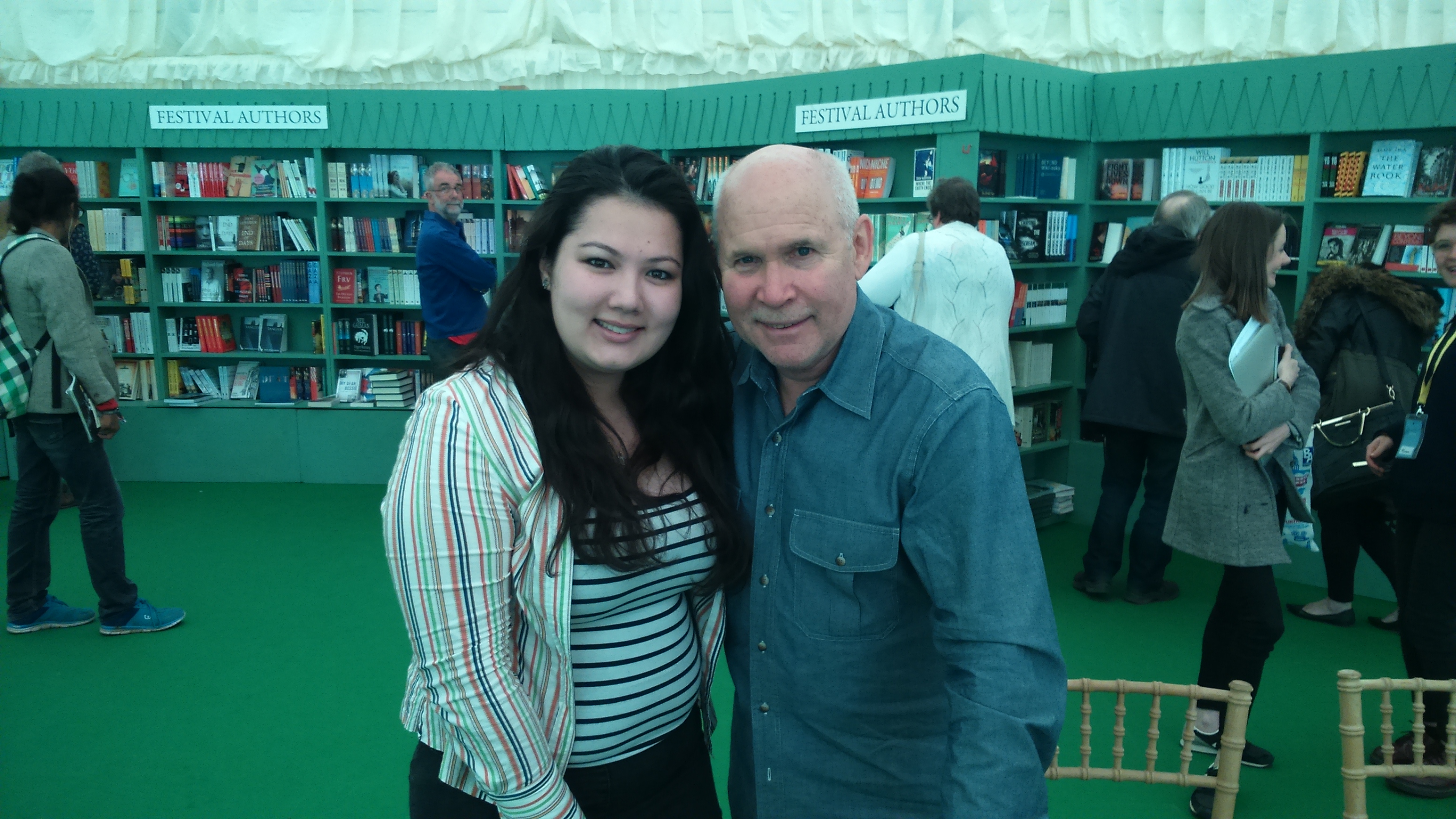
Here are the highlights of Steve McCurry’s talk with Tim Marlow at Hay Festival 2015

1. Don’t ask for permission to take photos of strangers.
Interestingly McCurry is firm in his belief over the precedence of capturing a shot over the hesitation of appropriateness. For example as McCurry’s photography usually is taken in challenging climates for example war zones or during a human struggle like health. Unless there is an express rejection (i.e. a distressed shaking of the head, a hand gesturing the camera away or someone actively asserting no photos to be taken) then Steve McCurry will take a photo of the individual or persons regardless of the state they are in distressed or otherwise. Of course this raises ethical concerns and a fine balance of permission, respect must unite with the Photographer’s prerogative and aim of capturing raw, graphic truth onto physical image. Also it is impossible in a war zone! Notably the Magnum Photographer mentioned how the medium of street photography does not typically request permission to photograph, such requests are tricky given the masses of people potentially present at say a festival being shot and it an awareness of being filmed understandably changes the subject’s behaviour due to the awareness of being seen etc.
2. On the flipside for one-on-one photographs ask permission.
A classic example would be when Sharbat Gula a.k.a ‘The Afghan Girl’ 1984 shot was reunited with the famed photographer in 2002 for a second portrait of her.
3. “Extensively, compulsively and obsessively,” reiterated by Tim Marlow on how determinedly dedicated a photographer must be to retain his body of work. McCurry also asserts that “my camera is my notebook.” Thereby photos taken on a camera are not jut for the portfolio but a means of generating ideas and capturing inspiring moments for future projects.
4. Never take Beautiful photos.
Or rather don’t aim to take conventionally pretty shots. Beauty is never the prime focus of this world famous photographer.
5. Photography is your Life.
McCurry is so dedicated, obsessed and in love with this medium that he is never really not photographing even when on restful holidays he feels compelled to use his camera!

 © Catherine Vaughan

 Boho.Blog